
The term carpet is defined as a covering primarily for floor coverings may be made by using woven, knotted, tufted, knitted, braided or nonwoven technique. Carpet/ floor coverings consist of both natural and manmade very often in blends for making durable or nondurable carpets. Different techniques like Handmade (Knotted, Tufted, Tibetan, Loom made, Durrie, Soumak, Shaggy, Nonwoven, Chain Stitched), and machine made (Axminster, Wilton, Tufted, Face to Face, Velvet, Nonwoven) exists for the segment. As a whole, knowledge of fibres as a raw material for carpets occupies significant position in the process control. If weaknesses and opportunities associated with fibres, product manufacturing techniques can be removed and exploited respectively in appropriate manner, carpet can become a more predominant domain in over all textiles products perspective. Therefore, it is very important to study the mentioned trends in respect of process control to meet the buyer’s requirements. Classification of carpets has been made in terms of interior, bath textiles etc. compiling relevant trade information. Salient processes involved need to be specially controlled have been identified. Process and controls for the entire carpet sector have been discussed in modular form. To make the chapter more reader friendly process, process flow and control points elaborated. Application of statistical technique and other related issues which can strengthen process control have also been discussed. Social, ecology /environmental, economy, cultural. /human development, health-hygeine issues have also been touched in one way or other.
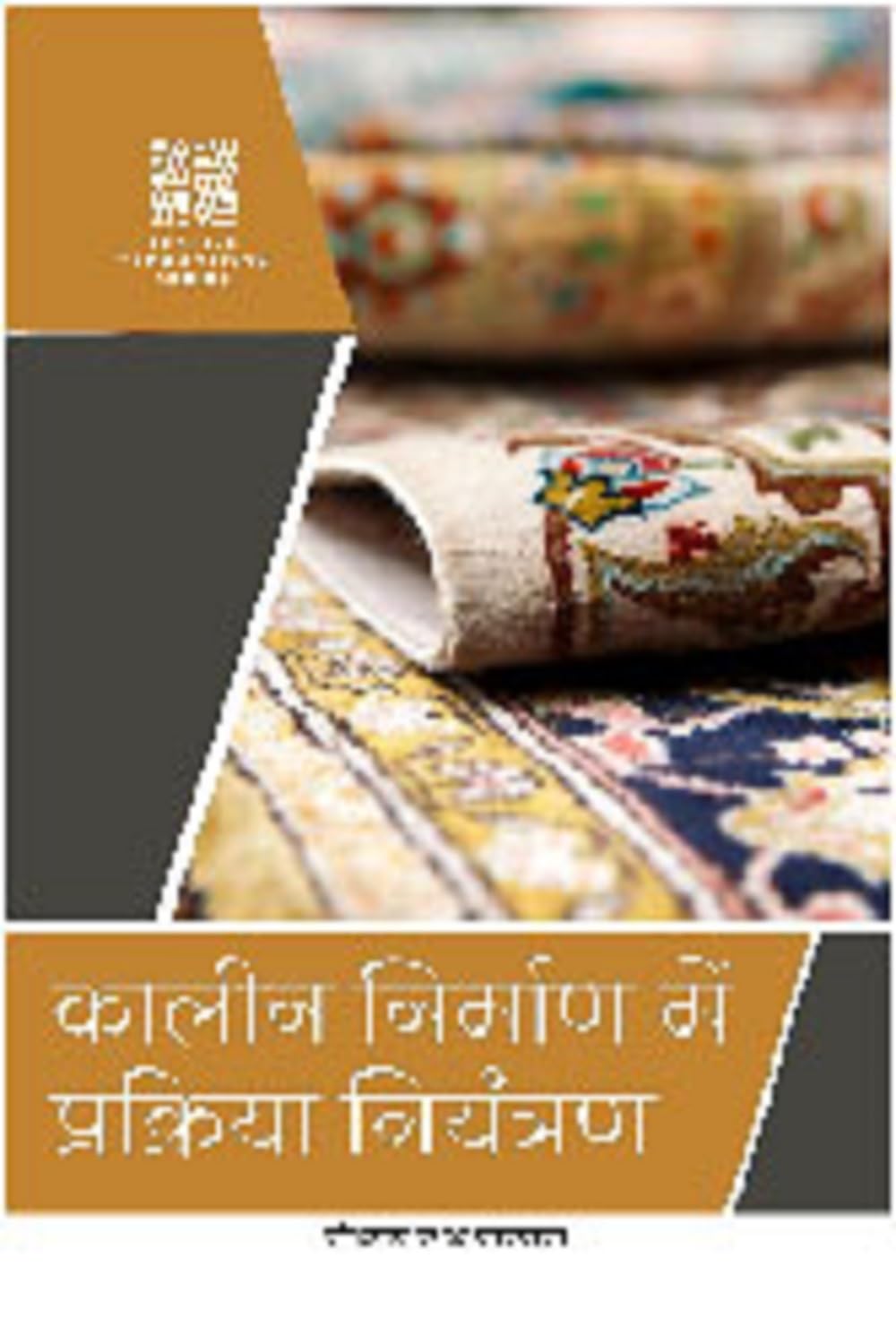
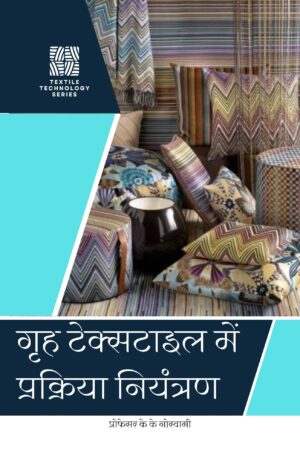
Kalin Nirman Mein Prakirya Niyantran by Dr. K.K.Goswami (Hardcover)
The term carpet is defined as a covering primarily for floor coverings may be made by using woven, knotted, tufted, knitted, braided or nonwoven technique.
₹725.00 ₹795.00
| Weight | 0.350 kg |
|---|---|
| Dimensions | 22.5 × 14.5 × 1.2 cm |
Based on 0 reviews
Be the first to review “Kalin Nirman Mein Prakirya Niyantran by Dr. K.K.Goswami (Hardcover)”
Related products
-
Biography, Environment, Technology
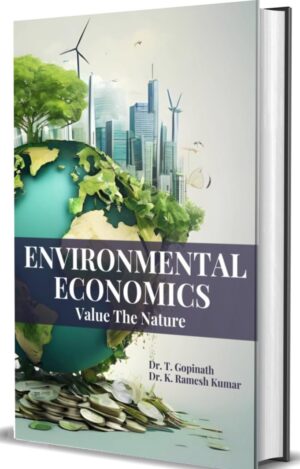
Environmental Economics Value The Nature
It is with great pleasure that I write the foreword for this timely and insightful book Environmental Economics Value the Nature. As our world grapples with pressing environmental challenges, the intersection of economics and environmental stewardship has never been more critical This book offers a valuable contribution by providing a comprehensive framework for incorporating environmental considerations into economic decision-making The author skillfully navigates the complexities of ecological economics providing a clear and accessible overview of fundamental principles. By highlighting the intrinsic value of ecosystems and their services they make a complete case for their preservation.
SKU: n/a -
Agriculture & Farming, Sciences, Technology & Medicine
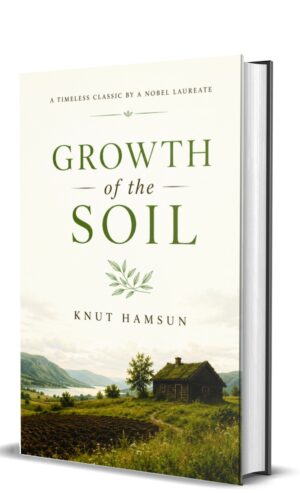
Growth of The Soil by Knut Hamsun (Hardcover)
Growth of the Soil is a deeply moving story of a man who chooses the rawness of nature over the conventions of society. Isak, a young man with little more than determination and a dream, clears a piece of wilderness and begins to grow-food, life, and a future on his own terms.
SKU: abhpubgots -
Technology, Textile, Textile Technology
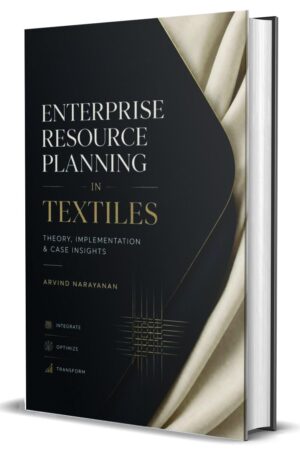
Enterprises Resource Planning In Textile by Arvind Narayanan (Hardcover)
 Technology, Textile, Textile Technology
Enterprises Resource Planning In Textile by Arvind Narayanan (Hardcover)
This book offers a contemporary exploration of Enterprise Resource Planning (ERP) systems tailored for the textile and apparel industry, bridging the gap between theory and real-world application.
SKU: abhpuberpt
There are no reviews yet.